Summer Beach Bonfire Ideas: Your Complete 30A Coastal Gathering Guide
18 min read
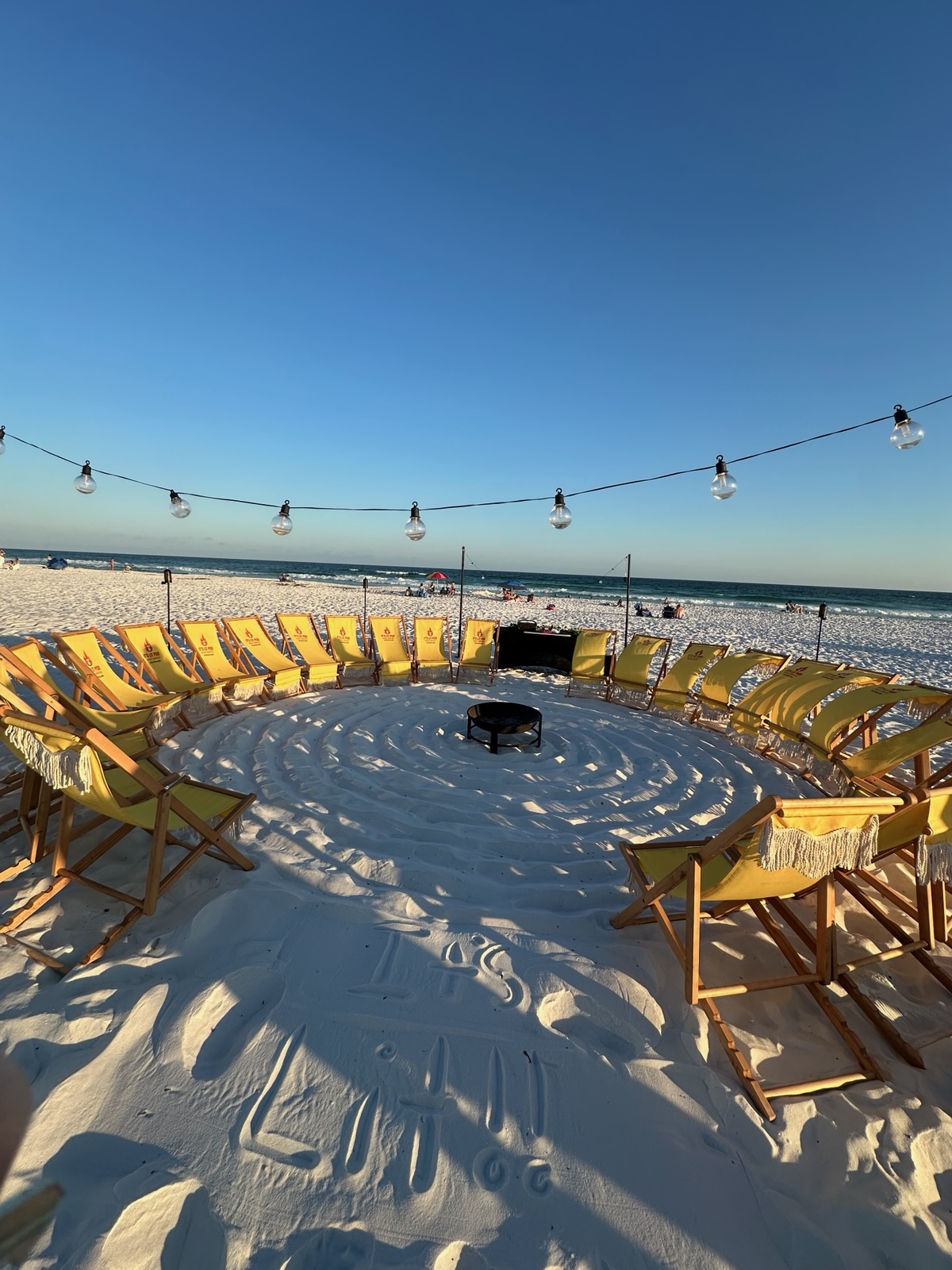
Table of Contents (7)
Everything for Your Perfect Beach Fire
A summer beach bonfire on 30A isn’t just an activity. It’s the cornerstone of a perfect coastal memory. Waves crashing in the background, golden sunset painting the sky, marshmallows toasting over flickering flames, and laughter echoing across the sand. But between permits, tides, and turtle season, planning one can feel daunting. This guide cuts through the complexity, giving you everything needed for a magical and hassle-free evening under the stars.
Whether celebrating a special occasion, gathering with friends, or simply enjoying coastal living, a well-planned beach bonfire brings people together in ways few other experiences can. This guide is specifically tailored to the rules and beaches of the 30A corridor and Panama City Beach, covering everything from Walton County permits to navigating Bay County’s fire zones. From packing essentials and food ideas to music suggestions and setup tips, every detail is here. Most importantly, we’ll help you navigate the simple requirements like permits and seasonal guidelines so nothing interrupts your perfect evening.
Ready to create incredible bonfire gatherings that your friends will talk about all summer? Let’s dive into making your beach bonfire the highlight of the season.
Packing Your Bonfire Essentials
Everything you need for an unforgettable evening by the fire.
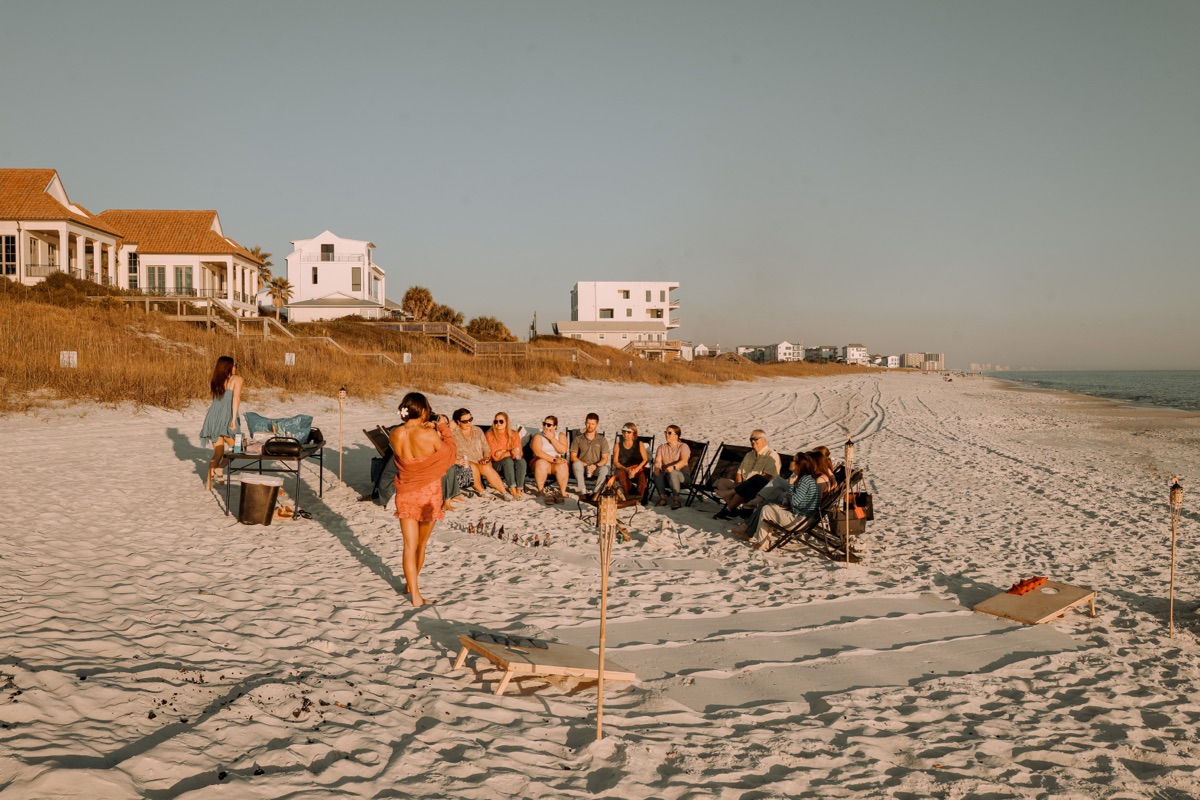
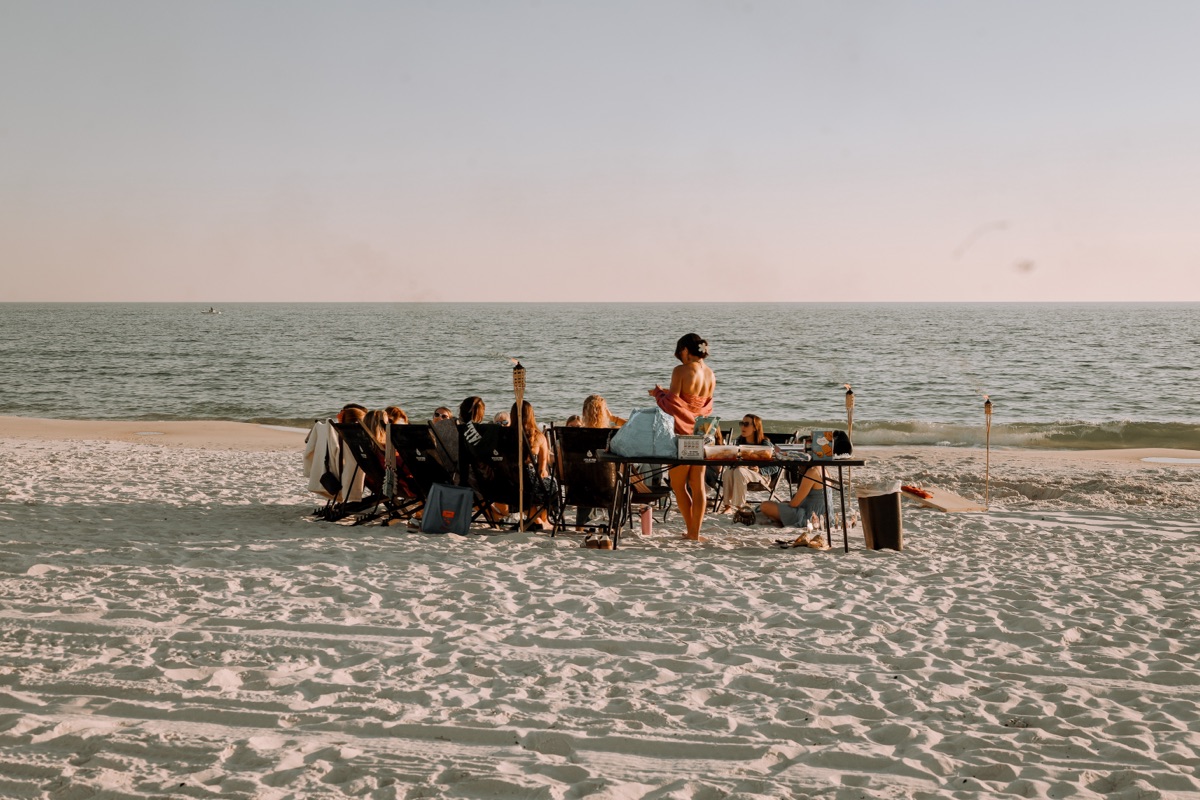
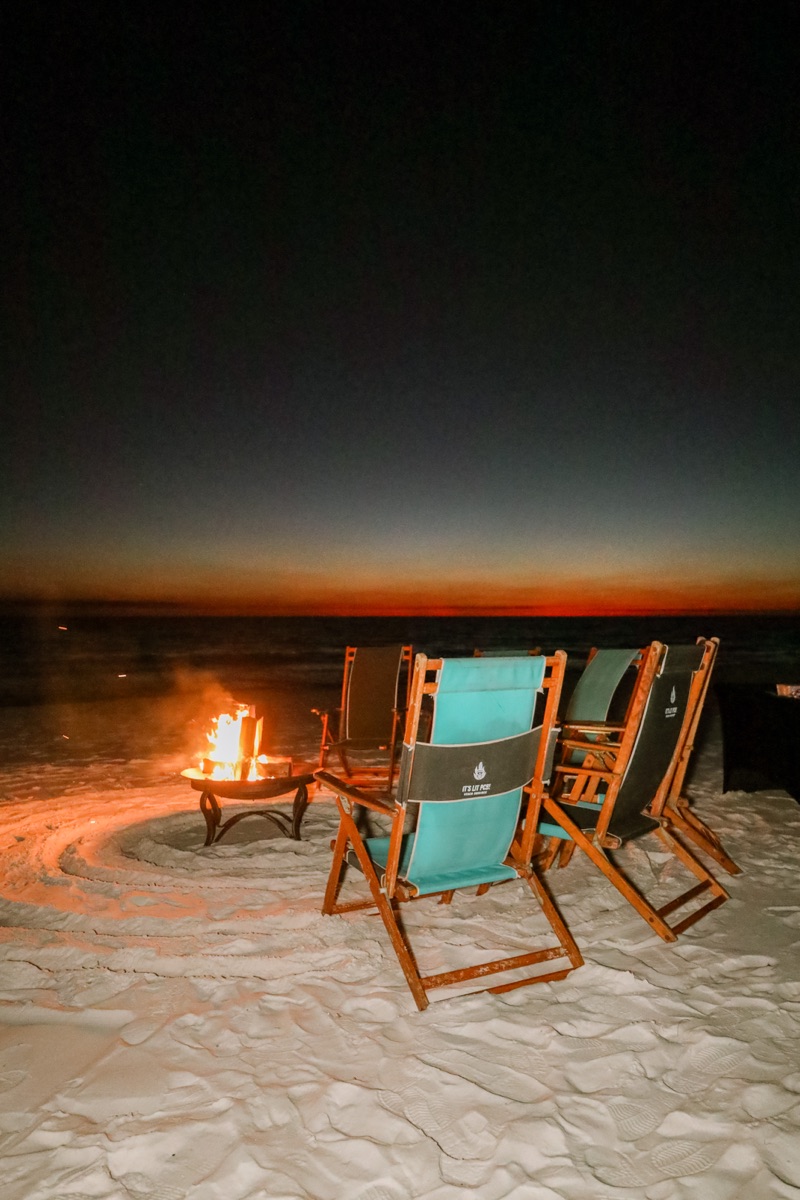
Create Comfort & Ambiance: Beach chairs and cushions provide comfortable seating for hours of conversation around the flames. Warm blankets become essential as temperatures drop after sunset, creating cozy moments under the stars. A portable pop-up table offers a convenient surface for drinks, snacks, and s’more supplies. String lights or lanterns add magical ambiance once darkness falls.
Food & Beverage Setup: Keep your cooler stocked with ice for cold drinks and perishables. Disposable plates, cups, and utensils make cleanup effortless so you can focus on enjoying the evening. Metal skewers are perfect for roasting marshmallows and hot dogs over the flames. Sealed containers protect leftovers from sand and simplify transport home.
Smart Conveniences: Flashlights or headlamps improve visibility once the sun sets. Bluetooth speakers enhance the atmosphere with your favorite playlist. A lidded storage bin keeps all your gear organized and sand-free during transport. Bug spray, cleaning wipes, and paper towels handle the small details that make everything run smoothly.
Fire & Safety Gear: Extended-reach lighters, waterproof matches, and seasoned firewood get your fire started. Always bring plenty of water for extinguishing safely at night’s end. A compact first aid kit and garbage bags round out the essentials. Remember, leaving the beach cleaner than you found it keeps these beautiful spots accessible for everyone.
Pro Tip: Keep these items stored together in a designated beach bin for quick access and organization.
Make It Effortless with It’s Lit PCB: Love the idea of beach bonfires but not the logistics? It’s Lit PCB handles everything from permits and setup to safety compliance and equipment for gatherings along the Emerald Coast. We navigate county regulations, seasonal guidelines, and beach access requirements so you can skip straight to the fun part. Show up, relax, and enjoy those magical firelit moments while we handle the details.
Getting Your Fire Started
Essential equipment for building the perfect bonfire setup.
Fire Basics:
- Extended reach lighter (safer than regular lighters)
- Waterproof matches as backup
- Seasoned firewood (dry wood burns best)
- Fire starter cubes or sticks for easy ignition
- Plenty of water for safe extinguishing at night’s end
- Lump charcoal if using established fire rings
- Dry kindling materials
What NOT to Burn: Stick to clean, natural wood only. Treated lumber, painted wood, plywood, pallets, and driftwood all release toxic fumes when burned. These materials can ruin your evening with acrid smoke and create health hazards. Purchase firewood from local suppliers or bring properly seasoned wood from home. Your bonfire should smell like campfire, not chemicals.
Pro Tips For An Amazing Bonfire Experience
Make your beach bonfire effortless and memorable with these insider strategies.
Prepare all food at home before heading to the beach. Pre-cut vegetables, marinate meats, and assemble s’mores kits in containers so everything’s ready when the fire’s hot. This preparation lets you spend more time enjoying friends and less time prepping. Pack efficiently using a sturdy beach bin with handles to minimize exhausting trips through deep sand.
Dress for changing temperatures and expect a smoky souvenir. Coastal evenings get surprisingly chilly even in summer, so bring layers and extra blankets for guests. Choose clothes you don’t mind smelling like campfire afterward, because that smoky scent becomes part of the memory. Check weather forecasts beforehand and have a backup plan for unexpected conditions.
Respect the beach environment to keep these spots beautiful for future gatherings. Never burn trash or plastics in the fire as they release harmful chemicals and leave residue. Bring garbage bags for all waste and stick to canned beverages instead of glass bottles. Glass creates serious hazards on sandy beaches, and proper cleanup ensures everyone can continue enjoying beach bonfires for years to come. Following local guidelines helps preserve these coastal treasures.
Final Check: Once the ashes are cold, do a final sweep of your area. Fill in any holes dug for the fire, collect all micro-trash (bottle caps, twist ties, food wrappers), and leave the spot pristine for the next sunrise beach walker. This responsible approach keeps these beautiful beaches accessible and welcoming for everyone.
Delicious Beach Bonfire Food Ideas
Turn your bonfire into a feast with these crowd-pleasing options.
Classic S’mores Bar: Create the ultimate s’mores experience with marshmallows, graham crackers, and chocolate bars. Get creative with flavored marshmallows or different chocolate varieties for a gourmet twist. For more creative ideas, try themed variations that wow your guests.
Fire-Grilled Favorites: Hot dogs and bratwurst cook perfectly on skewers over open flames. Add variety with pre-marinated chicken or vegetable kabobs. Keep condiments, buns, and toppings readily accessible for easy assembly.
Easy Share Snacks: Stock up on chips, pretzels, and popcorn for effortless passing around the fire. Fresh carrots, grapes, and other finger foods add healthy options. Foil packet meals prepared at home offer hearty options that heat perfectly in the coals.
Pro Tip: Keep it simple with foods that don’t require precise temperature control. The unpredictable nature of beach fires makes elaborate cooking tricky, so stick to crowd-pleasers that taste amazing with minimal fuss.
Setting The Perfect Vibe
Create an unforgettable atmosphere with music and lighting.
Music transforms a simple bonfire into a memorable gathering. Create playlists that match the evening’s progression, starting upbeat as the sun sets and mellowing as night falls. Portable Bluetooth speakers handle sandy conditions while delivering quality sound. Keep volume respectful of neighboring beachgoers and local quiet hours. For truly special occasions, live acoustic music elevates the entire experience.
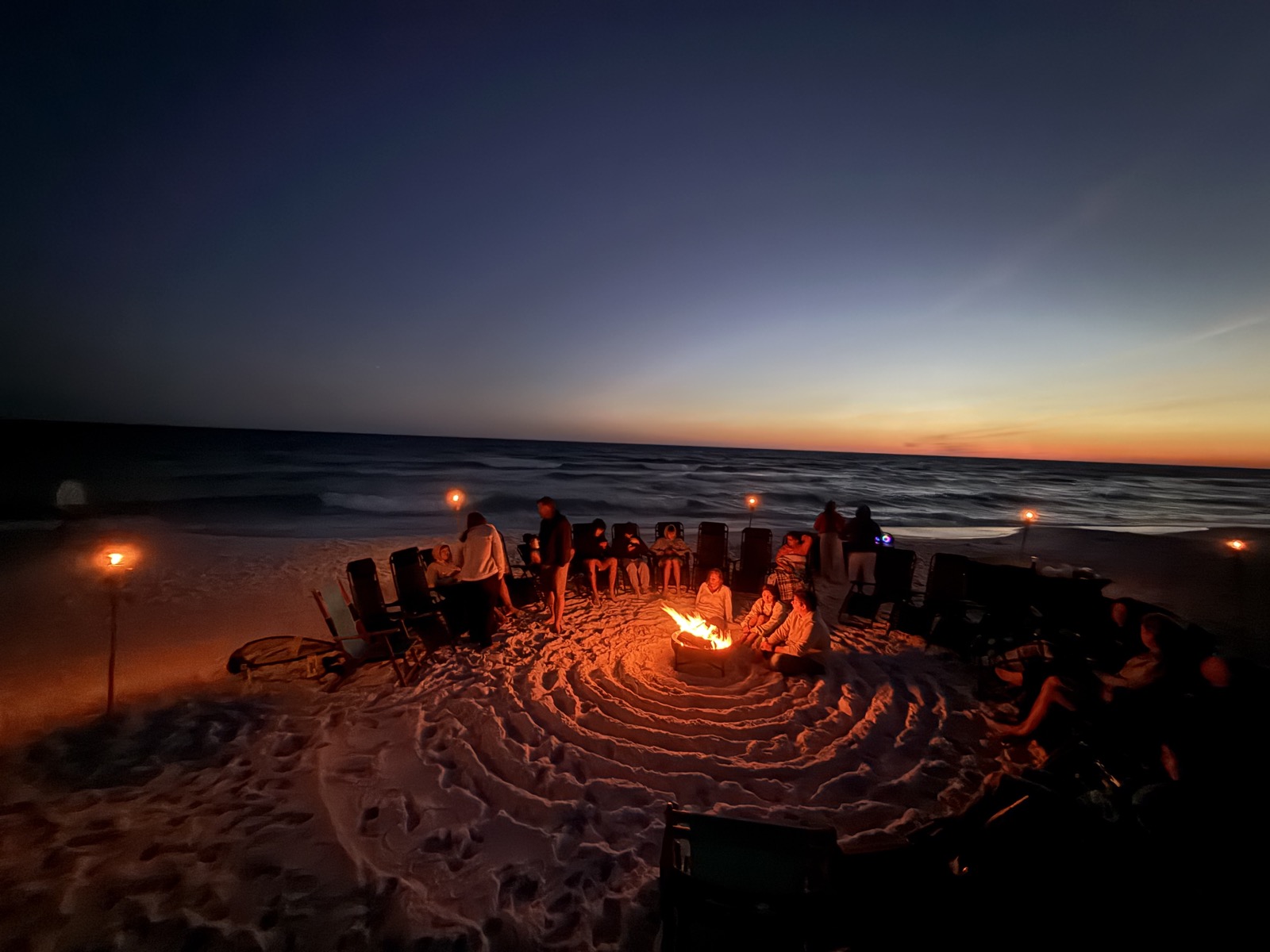
Lighting sets the mood once darkness arrives. Battery-powered lanterns and LED string lights create magical ambiance while supplementing the bonfire’s natural glow. Position lights around seating areas to improve visibility without overwhelming the intimate firelight. This thoughtful lighting makes food prep safer and photos more memorable while maintaining that perfect beachside atmosphere.
Conclusion
Beach bonfires create those perfect summer moments where conversation flows, laughter echoes across the sand, and memories are made under starlit skies. With the right preparation, your gathering transforms from a simple fire into an unforgettable experience that friends and family will talk about for years.
The key to stress-free beach bonfires? Handling the simple logistics upfront. In the 30A and Panama City Beach areas, quick permit applications and understanding seasonal guidelines (like sea turtle protection from May-October) ensure nothing interrupts your perfect evening. Proper fire safety, especially using water to extinguish completely, protects everyone and keeps these beautiful beaches accessible.
Want to skip the planning and dive straight into the fun? It’s Lit PCB handles every detail from permits and setup to safety compliance and equipment. Our local expertise means you simply show up and enjoy those magical firelit moments with the people who matter most. Let us handle the logistics while you create the memories.
FAQs
30A and Panama City Beach Specific Rules:
- Walton County (30A): Bonfires require permits and are only allowed on designated beach accesses. Completely prohibited during sea turtle nesting season (May 1 – October 31).
- Bay County (Panama City Beach): Permits required year-round. Fires limited to specific zones with time restrictions that vary by season.
- Private Beach Communities: Some 30A communities (Seaside, Alys Beach, WaterColor, Rosemary Beach) have additional restrictions beyond county rules. Always verify with the specific beach neighborhood.
Other Florida beaches have varying regulations – some prohibit fires entirely while others allow them year-round in designated areas. Always verify current ordinances through county websites or contact It’s Lit PCB for expert guidance on local 30A and Panama City Beach bonfire regulations.
30A/Panama City Beach Permit Requirements:
- Application must be submitted several days in advance (contact county offices for current processing times)
- Applicant must meet age requirements (verify current rules with permit office)
- Permit fees vary by location and beach access point
- Permit must be present on-site during the bonfire
- Bonfires prohibited during sea turtle nesting season (May 1 – October 31) in most areas
- Fire size restrictions apply (check with permit office for current limits)
- Fires allowed only during designated hours (varies by county and season)
Some beaches offer designated fire rings available on a first-come, first-served basis, while others require advance reservations. For affordable options with permits included, contact local authorities at least two weeks in advance for current regulations. It’s Lit PCB handles all permit applications and ensures full compliance with current local ordinances for stress-free bonfire events.
Avoid using driftwood despite its beach availability, as salt content creates toxic fumes and produces colorful but harmful flames when burned. Never burn treated lumber, painted wood, plywood, or wood containing nails or hardware, as these materials release dangerous chemicals including arsenic and other carcinogens. Purchase firewood from local suppliers or bring properly seasoned wood from home.
Proper Extinguishing Method (Douse-Stir-Douse-Feel):
- Start extinguishing at least 30-45 minutes before leaving
- Allow fire to burn down to ash if time permits
- Douse: Pour water slowly over all embers and coals
- Stir: Use a long stick to stir ashes and expose hidden embers
- Douse Again: Add more water to any hissing or steaming areas
- Feel: Hold the back of your hand several inches above ashes – if you feel heat, repeat the process
- Continue until no steam, hissing sounds, or heat remains
Dispose of completely cooled ashes in designated receptacles if available. In 30A and Panama City Beach areas, failure to properly extinguish fires can result in fines and potential liability for injuries to other beachgoers.
Windy conditions also make maintaining consistent flames difficult and blow smoke directly into guests’ faces, diminishing enjoyment. Walton County and Bay County authorities issue burn bans during high wind conditions, with violations resulting in fines and citations. Check weather forecasts and local fire weather warnings before departing. Consider rescheduling if conditions appear unfavorable or deteriorate throughout the day.
Supervision Requirement: A responsible adult must be present at all times when a bonfire is burning (verify current age requirements with your permit office). Never leave fires unattended, even briefly.
Position the bonfire accounting for tidal changes throughout the evening to prevent incoming tides from extinguishing fires prematurely. Check tide charts and schedules before setting up to ensure the chosen location remains dry during the entire event duration. Failure to maintain proper distances can result in permit revocation and fines. Contact Walton County or Bay County permit offices for exact distance requirements at your specific beach location.
Always confirm the exact curfew for your specific beach access point when obtaining your permit. Some private beach communities enforce even stricter evening hours. Violating curfew times results in immediate permit revocation, fines, and potential citations. Plan your event timeline to ensure complete extinguishing well before the required closing time.
Requirements typically include:
- Maximum fire pit diameter and height limits (verify current regulations)
- Minimum pit depth requirements
- Clearance from vegetation and debris
- Raised sand edges to block wind and contain the fire
- Rock lining for safety and heat retention (where allowed)
Some 30A beach access points ONLY allow fires in pre-installed rings – digging is prohibited. Bay County has similar restrictions at certain Panama City Beach locations. Always verify that digging fire pits is allowed in the specific beach area before proceeding. If no rings exist and digging is prohibited, consider alternative locations like Inlet areas or rescheduling the event.
Alcohol regulations vary significantly between Walton County (30A) and Bay County (Panama City Beach), and policies change seasonally. Contact local authorities for current regulations before your event.
General Guidelines:
- Walton County and Bay County have different alcohol policies for public beaches
- Restrictions often vary by season and specific events (Spring Break periods typically have stricter rules)
- Private beach communities may have their own additional alcohol restrictions
- Glass containers are prohibited on all beaches
- Beer and wine versus hard liquor policies vary by location
Violations result in fines, citations, or immediate removal from the beach. Check specific alcohol regulations through county ordinances or beach management websites before packing beverages. When alcohol is permitted, consume responsibly and ensure designated drivers for all attendees. Never drink and operate beach vehicles or watercraft.
Sea Turtle Nesting Season (May 1 – October 31):
- Loggerhead, Green, and Leatherback sea turtles nest on 30A beaches during this period
- Beach bonfires are PROHIBITED during nesting season in most Walton County and Bay County beach access points
- Fire light disorients hatchlings, causing them to move inland instead of toward the ocean, resulting in death
- Violations can result in substantial federal fines and criminal charges under the Endangered Species Act
Year-Round Wildlife Protection:
- Avoid building fires near dunes, vegetation, or marked nesting areas
- Never leave food scraps that attract raccoons, coyotes, and ghost crabs
- Keep noise levels reasonable to minimize disturbance to roosting shorebirds
- Stay clear of posted wildlife protection zones and designated bird nesting areas
Follow all posted wildlife protection guidelines and seasonal restrictions. It’s Lit PCB ensures full compliance with federal sea turtle protection laws and local wildlife ordinances.