Cold Weather Beach Bonfire Guide: Planning Tips & Safety Rules
10 min read
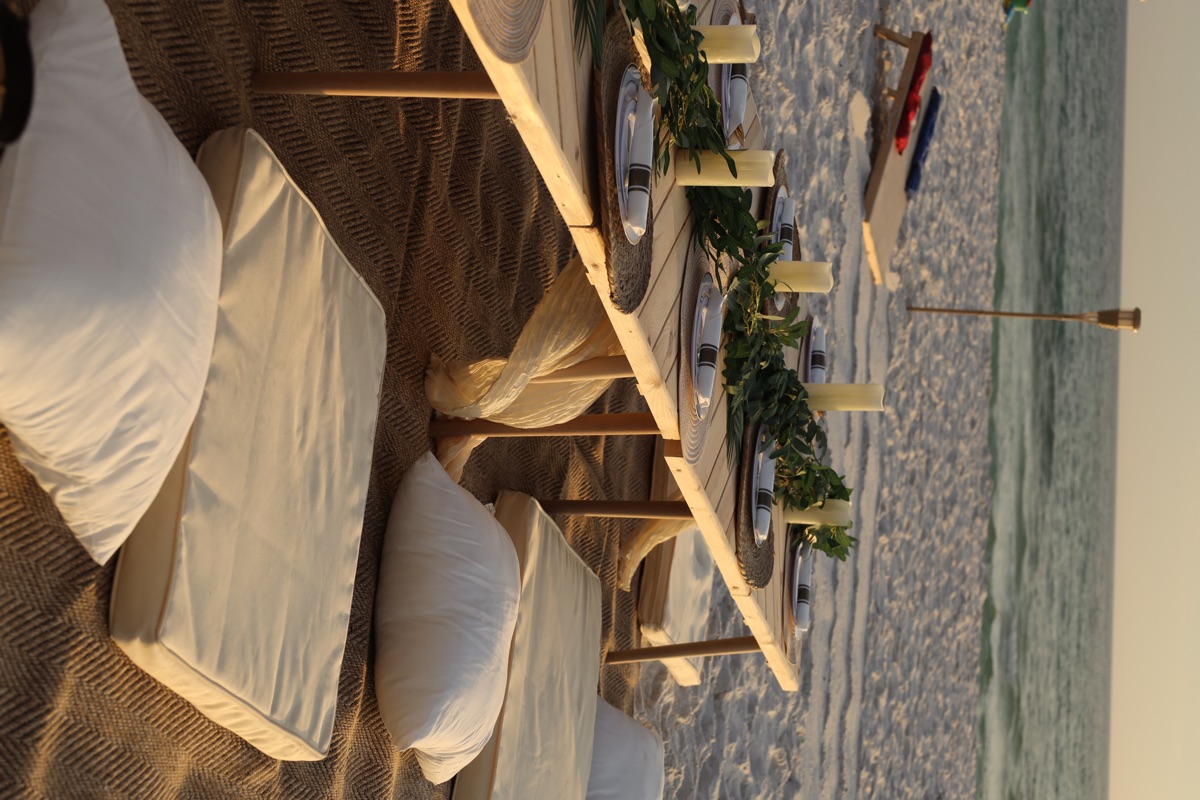
Table of Contents (10)
- 1. Check Local Regulations and Secure Permits
- 2. Follow Fire Safety Requirements
- 3. Keep Guests Warm With Hot Drinks
- 4. Bring Blankets For Extra Comfort
- 5. Turn It Into A Themed Dress-Up Event
- 6. Plan A Hearty Potluck Menu
- 7. Create Ambiance With Multiple Light Sources
- 8. Protect Against Wind and Moisture
- 9. Conclusion
- 10. FAQs
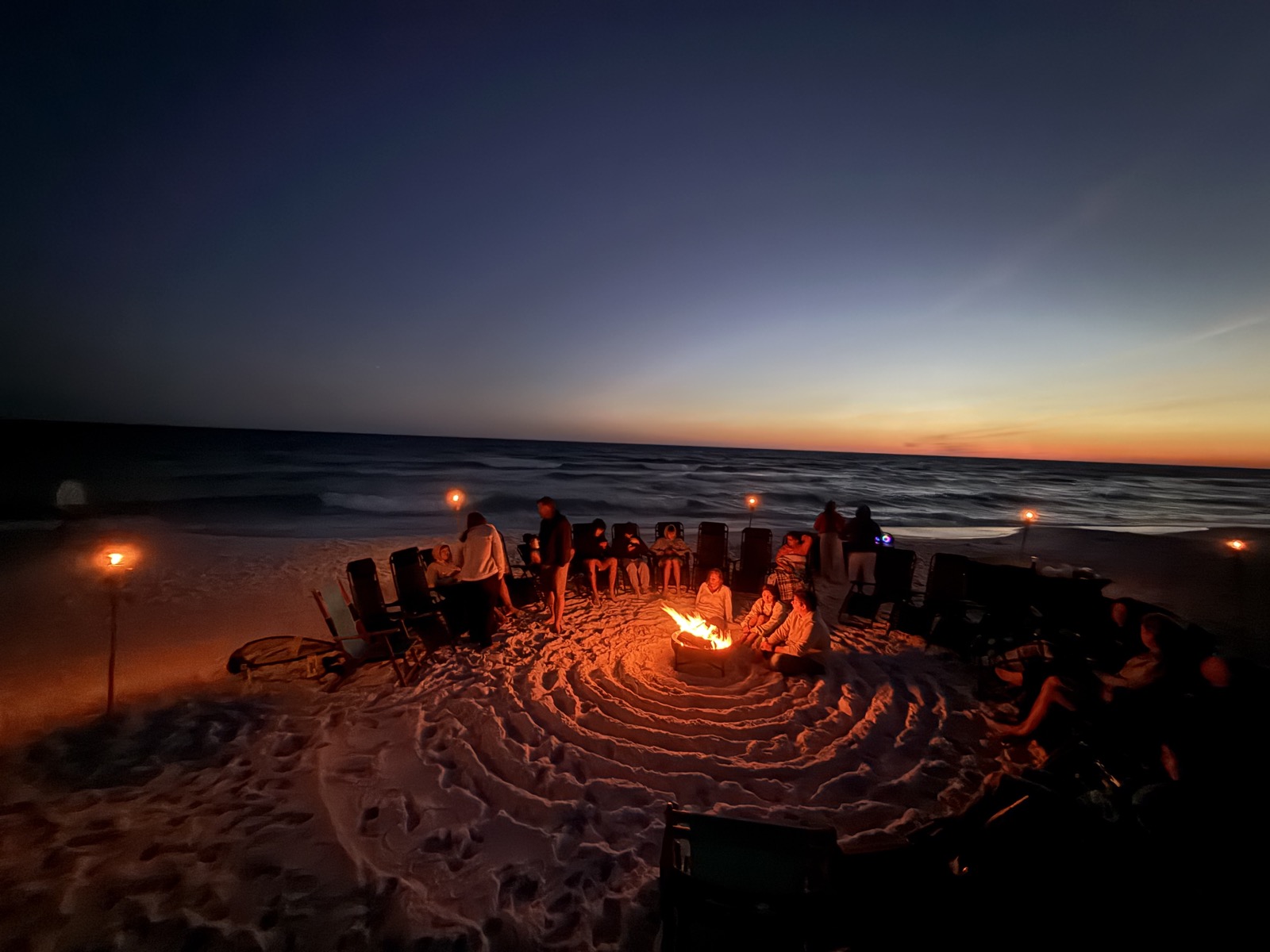
Gathering around a crackling fire as winter waves crash in the darkness creates a magical coastal experience unlike any summer bonfire. Yes, you can have beach bonfires in cold weather during fall, winter, and early spring months. Most beaches allow bonfires from November through April when sea turtle nesting restrictions end, though permits are required at nearly all locations.
Cold weather beach parties work best in temperatures between 40-45°F and above. Key requirements include obtaining permits 24 hours in advance (fees range from free to $150), using only untreated wood, and providing warm beverages, blankets, and windbreaks for guests. Fire size limits typically restrict flames to three feet in diameter.
This guide covers permit applications, fire safety regulations, cold weather preparation techniques, and party planning strategies for successful 30A beach bonfires.
Check Local Regulations and Secure Permits
Most beaches require permits for bonfires, with fees ranging from free to $150 depending on location. Applications typically need submission at least 24 hours in advance, though some areas accept same-day requests during off-season months.
Key permit requirements vary by beach but generally include age restrictions (18-21 years minimum), attendance limits (often 25 people maximum), and specific time windows (commonly 6pm to 10pm or 11pm). Some coastal areas prohibit fires entirely during sea turtle nesting season, which runs May through November in many regions.
Contact the local fire department, parks department, or beach management office to verify current regulations. Many jurisdictions now offer online permit applications, making the process quick and straightforward. Research beaches with fire pits in your area before applying. Keep the permit accessible during the event, as enforcement officers frequently check bonfire sites.
Follow Fire Safety Requirements
Fire size restrictions apply at most beaches, typically limiting flames to three feet in diameter and two feet in height. Fires must be built below the high tide line and maintain minimum distances from dune vegetation (50-250 feet depending on location), structures (100 feet), and beach access points (25 feet).
Only use untreated natural wood free from nails, screws, paint, or varnish. Treated lumber, pallets, and construction materials release toxic fumes when burned and violate most beach ordinances. Purchase firewood locally or bring certified heat-treated wood to prevent spreading invasive species. Learn more fire safety tips for outdoor gatherings.
Keep a 2.5-gallon water-based fire extinguisher on site at all times. When the event ends, extinguish flames completely using water, not sand. Sand insulates hot coals rather than cooling them, creating burn hazards for beachgoers the next day. Remove all ashes, debris, and unburned wood, then fill in the fire pit and level the area before leaving.
Keep Guests Warm With Hot Drinks
Cold weather calls for warm beverages. Setting up a hot cocoa station with various flavored extracts (peppermint, almond, raspberry, and vanilla) plus toppings like flavored marshmallows, whipped cream, or ground nutmeg keeps guests comfortable. Gourmet coffee and assorted hot teas also work perfectly for outdoor winter gatherings. Discover more winter entertaining tips for cold weather hosting.
For heating and serving drinks at the beach, a portable camp stove handles individual servings, while a crockpot efficiently manages beverages for larger crowds.
Bring Blankets For Extra Comfort
Blankets and quilts transport easily to any beach location and add a charming element to the bonfire experience.
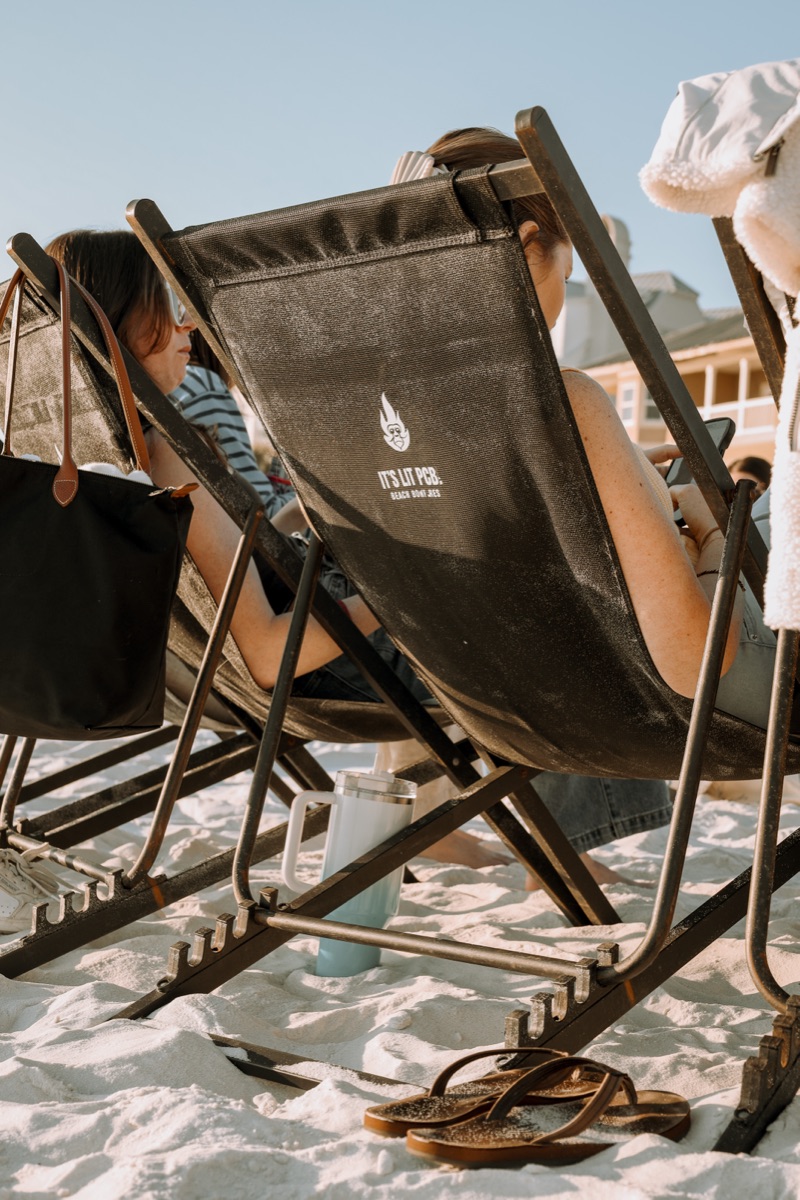
Setting up seating off the sand matters since the ground stays cold during early spring. Consider beach chair rentals for convenient, comfortable options. Draping blankets over each chair before guests arrive creates an inviting, whimsical atmosphere.
Turn It Into A Themed Dress-Up Event
While warmth and comfort are essential, adding a fun element elevates the experience. Encouraging guests to dress warmly enhances everyone’s comfort. Adding a fun twist to the dress code by hosting an Ugly Sweater or Scarf Party brings entertainment beyond the holidays. Local thrift stores stock ugly sweaters year-round, typically featuring quirky designs like distant-staring cats, wolves, or excessive ribbons. Explore more beach party ideas for inspiration.
Offering a small prize for the ugliest sweater or scarf adds friendly competition. A mason jar filled with hot chocolate mix makes an ideal reward. Consider adding live acoustic music for enhanced entertainment.
Plan A Hearty Potluck Menu
Potluck-style gatherings generate excitement and let guests showcase their culinary skills.
Before warmer weather arrives, focus on hearty, warm dishes. A beach barbecue paired with sides like mashed potatoes, macaroni and cheese, and roasted vegetables creates a satisfying meal. Check these outdoor party tips for additional planning guidance.
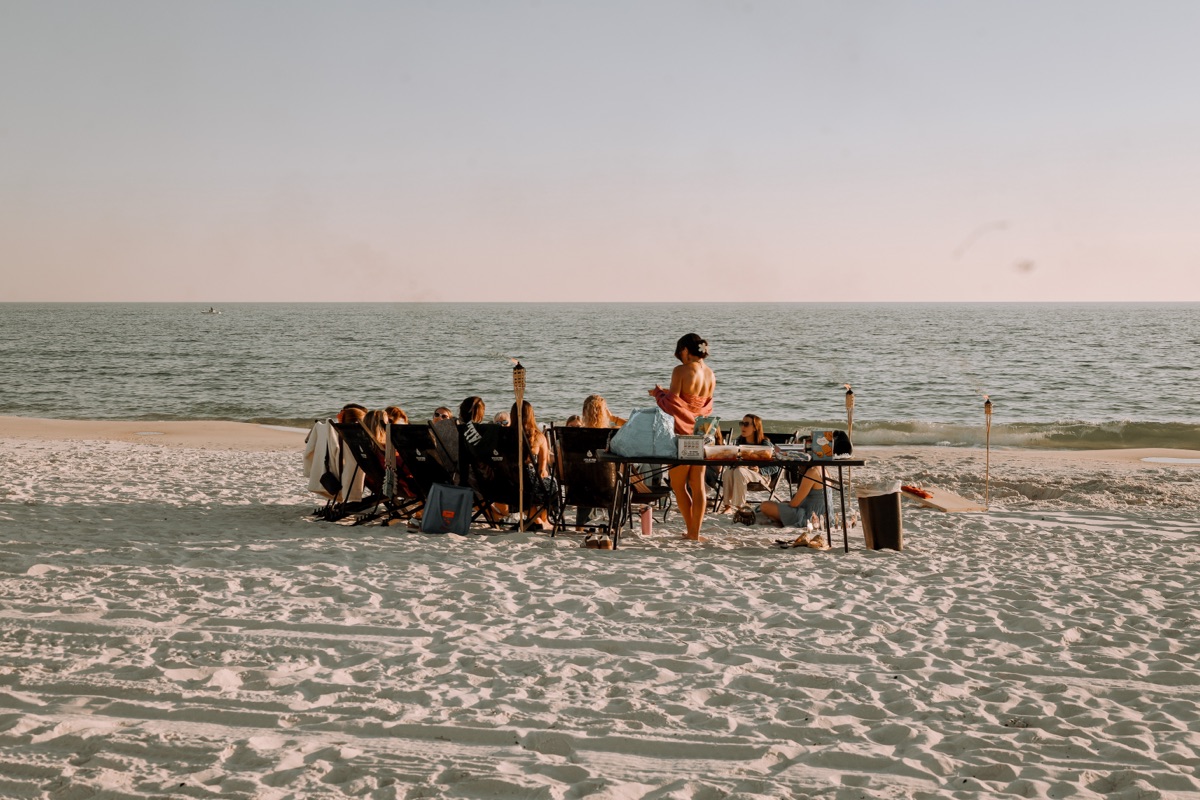
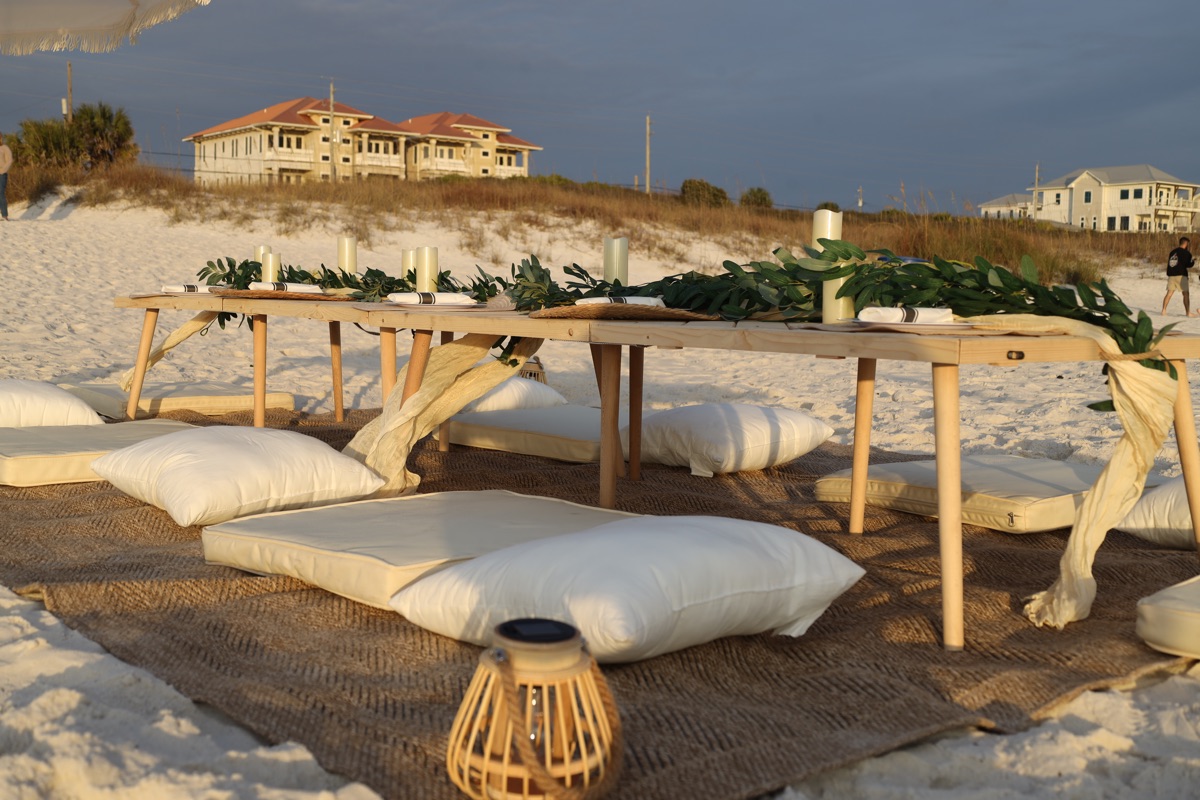
For groups without access to proper tables, a long piece of plywood set on sawhorses (covered with a decorative tablecloth) creates an affordable, functional beach table.
Create Ambiance With Multiple Light Sources
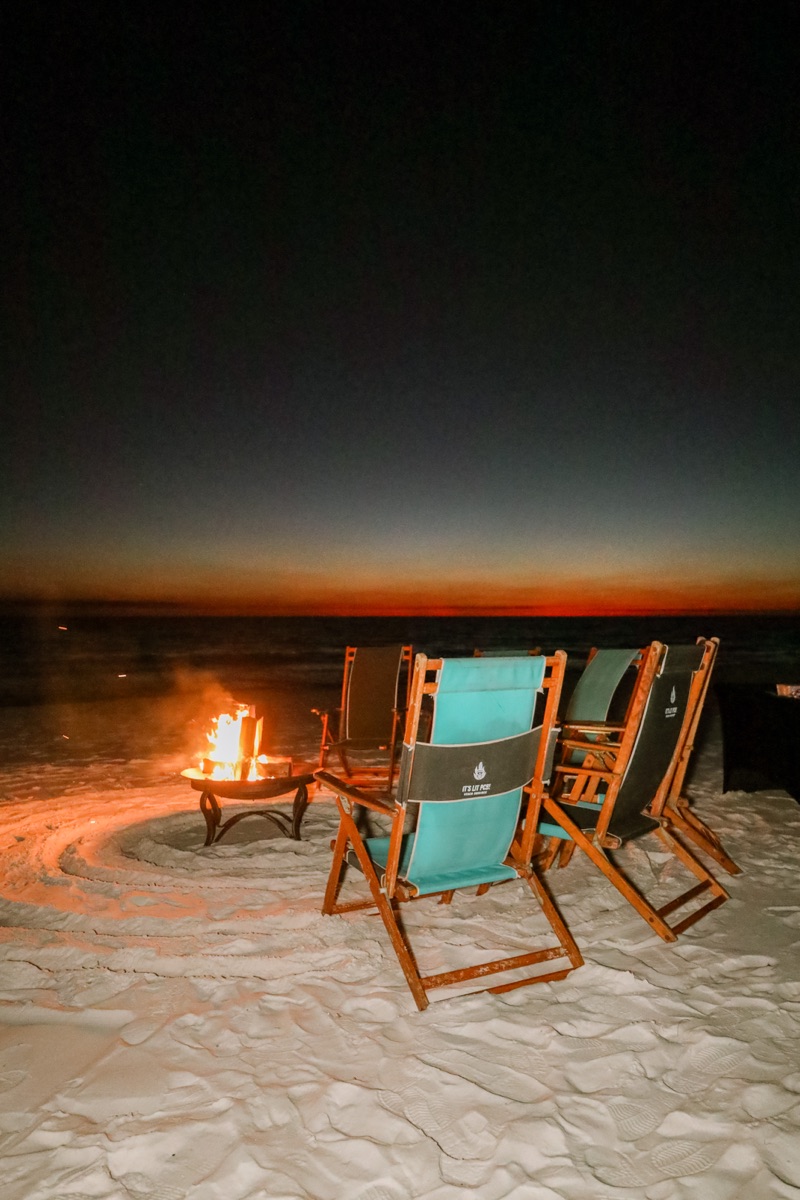
Beyond the bonfire’s natural glow, additional lighting from candles, lanterns, and tiki torches enhances the warm atmosphere. Professional lighting options create stunning visual effects for evening gatherings.
Taking it further, providing guests with marshmallow skewers for making beach s’mores adds an interactive, enjoyable element to the gathering. Pre-packaged s’more kits simplify preparation.
Protect Against Wind and Moisture
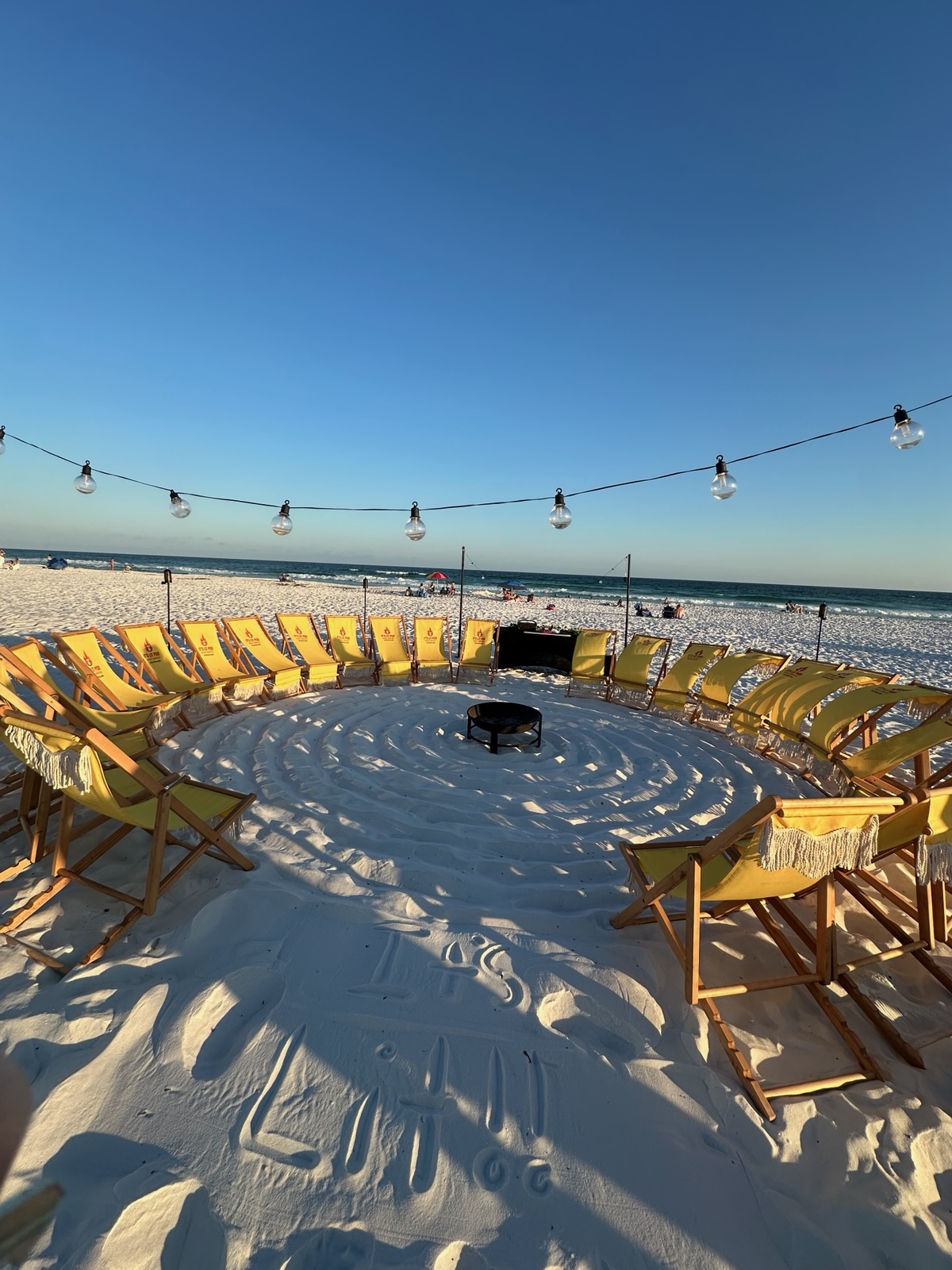
Cold beach environments bring strong winds that can make temperatures feel significantly colder. Arrange seating in a semicircle around the fire to block wind while keeping safe distances. Portable windbreaks or beach umbrellas set up strategically provide additional protection without violating permit restrictions.
Bring waterproof tarps or ground covers for seating areas since sand retains moisture and cold. Layering these under blankets creates an insulated barrier that keeps guests comfortable throughout the evening. Pack extra blankets in waterproof bags as backup options when temperatures drop unexpectedly.
Check weather forecasts carefully before the event, paying attention to wind speed and temperature. Most beach management offices suspend bonfire permits during high wind conditions or when fire danger reaches extreme levels. Having a backup indoor location ready prevents disappointment if conditions become unsafe. Discover additional winter beach activities for alternative entertainment options.
Conclusion
Cold weather beach bonfires offer a unique way to enjoy coastal environments during off-season months when crowds thin out and beaches become peaceful retreats. Success depends on thorough preparation, from securing proper permits to arranging adequate warmth for guests. Hot beverages, comfortable seating arrangements, themed entertainment, and hearty food combine to create memorable experiences that celebrate both the beach atmosphere and the cozy appeal of gathering around fire during cooler weather. Explore creative bonfire ideas and affordable options for your next event.
Remember that safety and compliance remain paramount. Following local regulations, maintaining proper fire size, and completing thorough cleanup protect both the beach environment and future bonfire privileges for the community. With advance planning and attention to guest comfort, off-season beach bonfires become anticipated annual traditions that bridge the gap between summer beach days and winter indoor gatherings.
Ready to skip the permit hassles and planning stress? It’s Lit PCB handles everything from permits to setup, so you can focus on enjoying your perfect cold-weather beach bonfire. Contact us today to reserve your unforgettable coastal gathering.
FAQs
Contact local beach management, fire departments, or parks offices to verify current regulations and obtain necessary permits before planning the event.
Always check weather forecasts for both temperature and wind conditions, and have backup indoor plans ready when conditions deteriorate beyond comfortable levels.
Certain beaches prohibit portable containers entirely and require use of designated fire rings. Always verify regulations with local authorities before bringing personal fire equipment to avoid violations and fines.
Smaller pieces under three feet in length are easier to transport and manage. Bring extra kindling and paper for fire starting, as accelerants like lighter fluid are prohibited at most beaches.
Remove all ashes, debris, and unburned wood from the beach entirely. Fill in the fire pit with sand and level the area to restore natural beach conditions. Most permits require complete cleanup by midnight, with deposits forfeited for inadequate site restoration.
Check wind speed and fire danger ratings on the day of the event before heading to the beach. When conditions deteriorate during the event, extinguish the fire immediately and notify authorities if required by permit terms.
For more beach bonfire tips and coastal event ideas, visit our beach planning blog.